
5 poems by Zach Savich
1 essay by Justin Hamm, on the poems of Zach Savich
Let’s talk about trails, how they meander along, switching back, narrowing and expanding as they carve through thick overgrowth, trying to impose a little order on the wild. Some poems are like this too. They change their mind, they qualify, they revise themselves, saying many things that are true but never promising those things will stay true to the end. Just as you can’t see the whole trail while you’re on it, you can’t hold the idea of these poems at once. They’re about movement, change, the uncertainty of their own certainties.
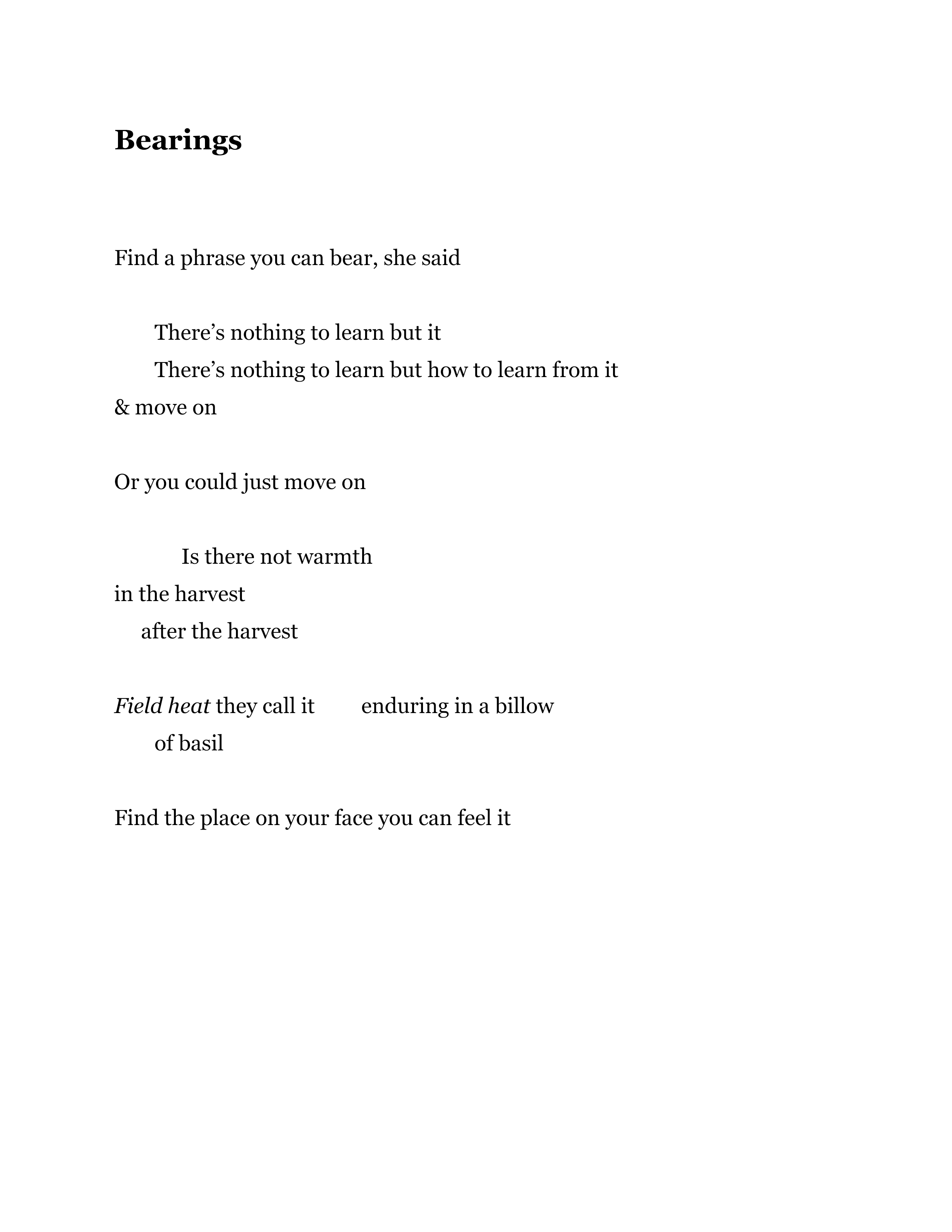
To the point: maybe you find something you can say to yourself, a small collection of words, call it a mantra even, and that mantra makes a useful place for holding hard things. That’s good, right? But it’s only a temporary protection. Because soon enough, we’re told, the saying itself isn’t even the point. The point is the process of finding the saying, which is also not the point, because the actual point is the aftermath of the finding and saying, the heat that it offers. It’s not what you learn, but what you can feel. Does this trail seem rough and uneasy, difficult to trust? Well, why shouldn’t it be? It's a poem.
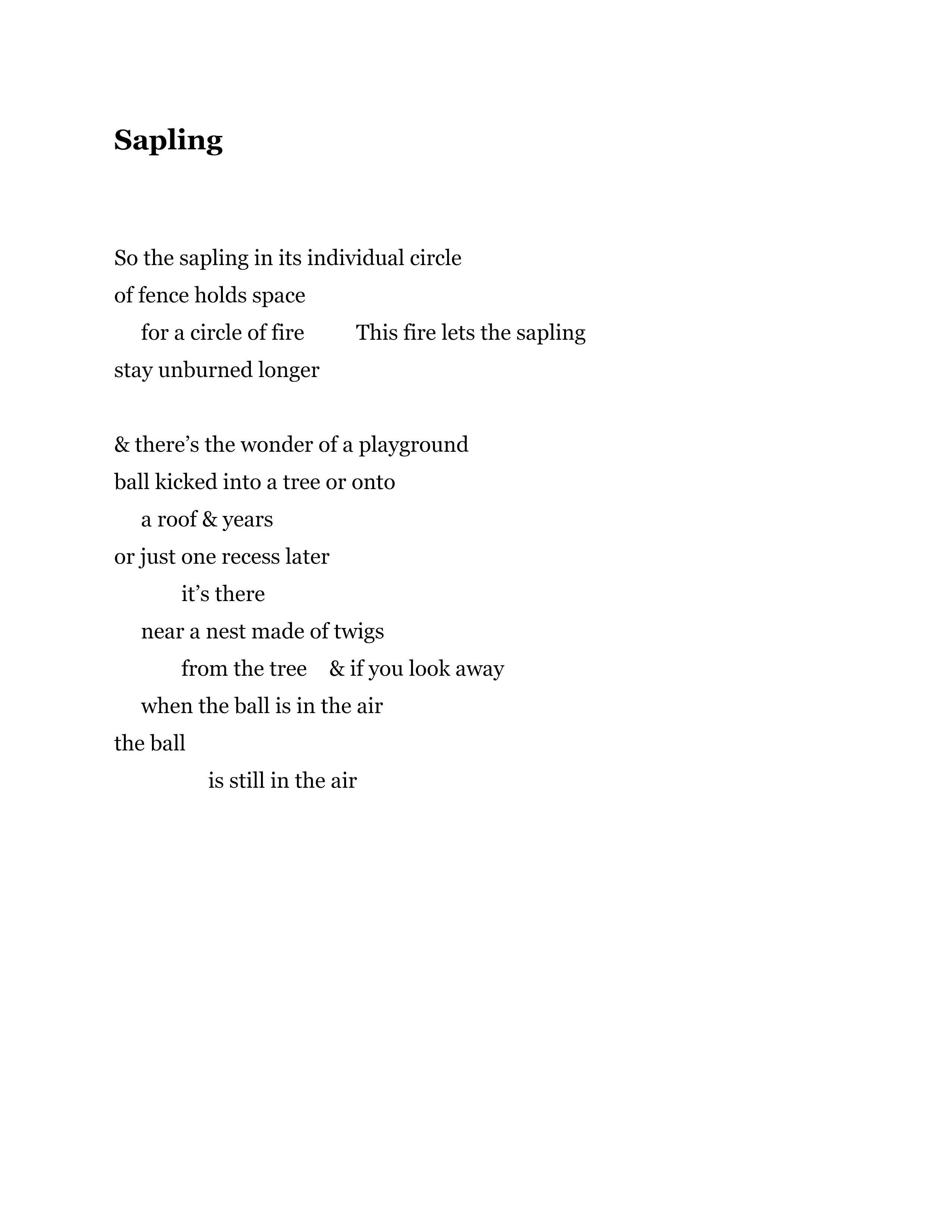
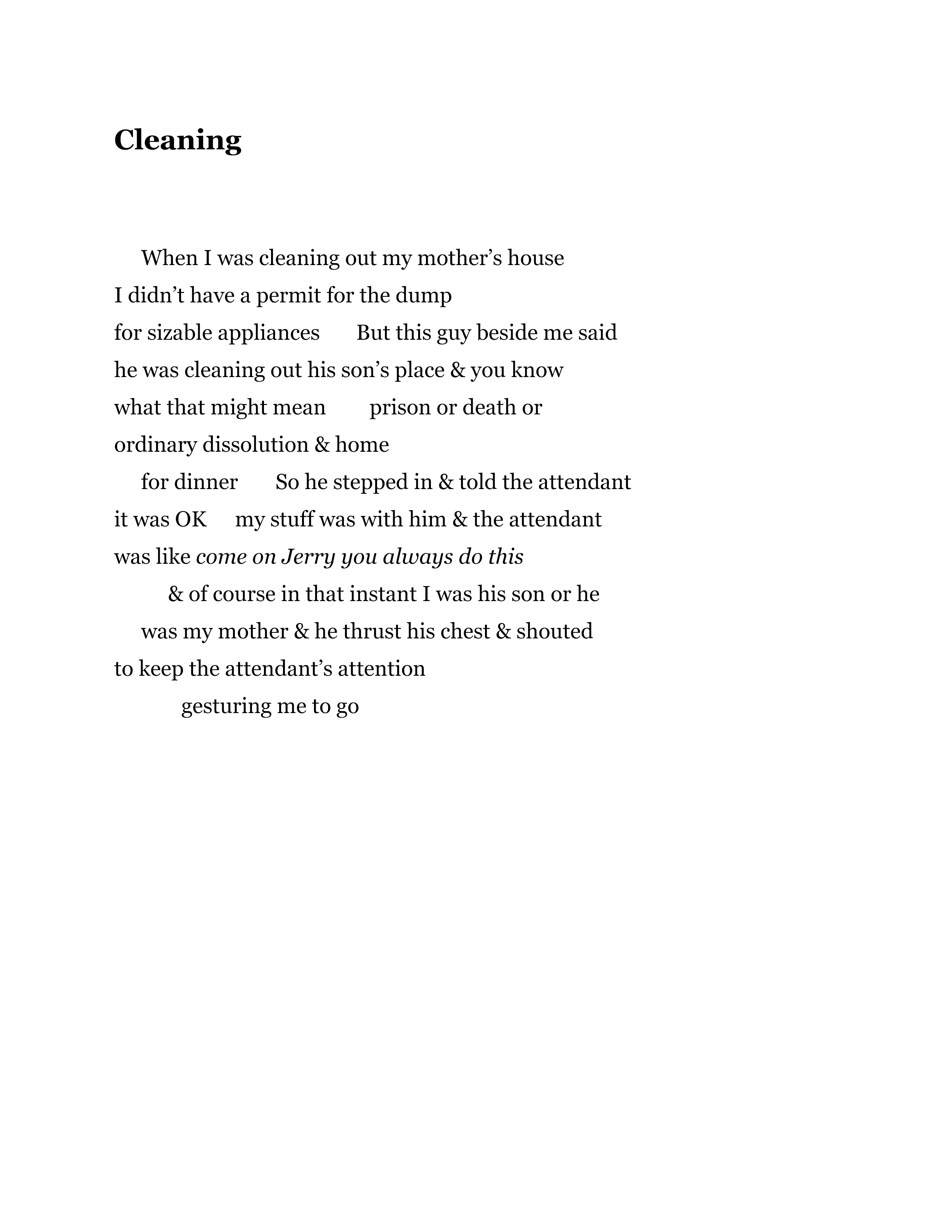
After all, if the kickball is still in the air when you stop looking at it, it remains in the air forever. And if someone claims you as his son so you can use his city dump permit, isn’t that just a callback to the oldest family tree, the one on which every human is a branch? Remember, the saying isn't the truth. Nor is the label. In flight. Parent. All subject to revision or rethinking, to clarification.
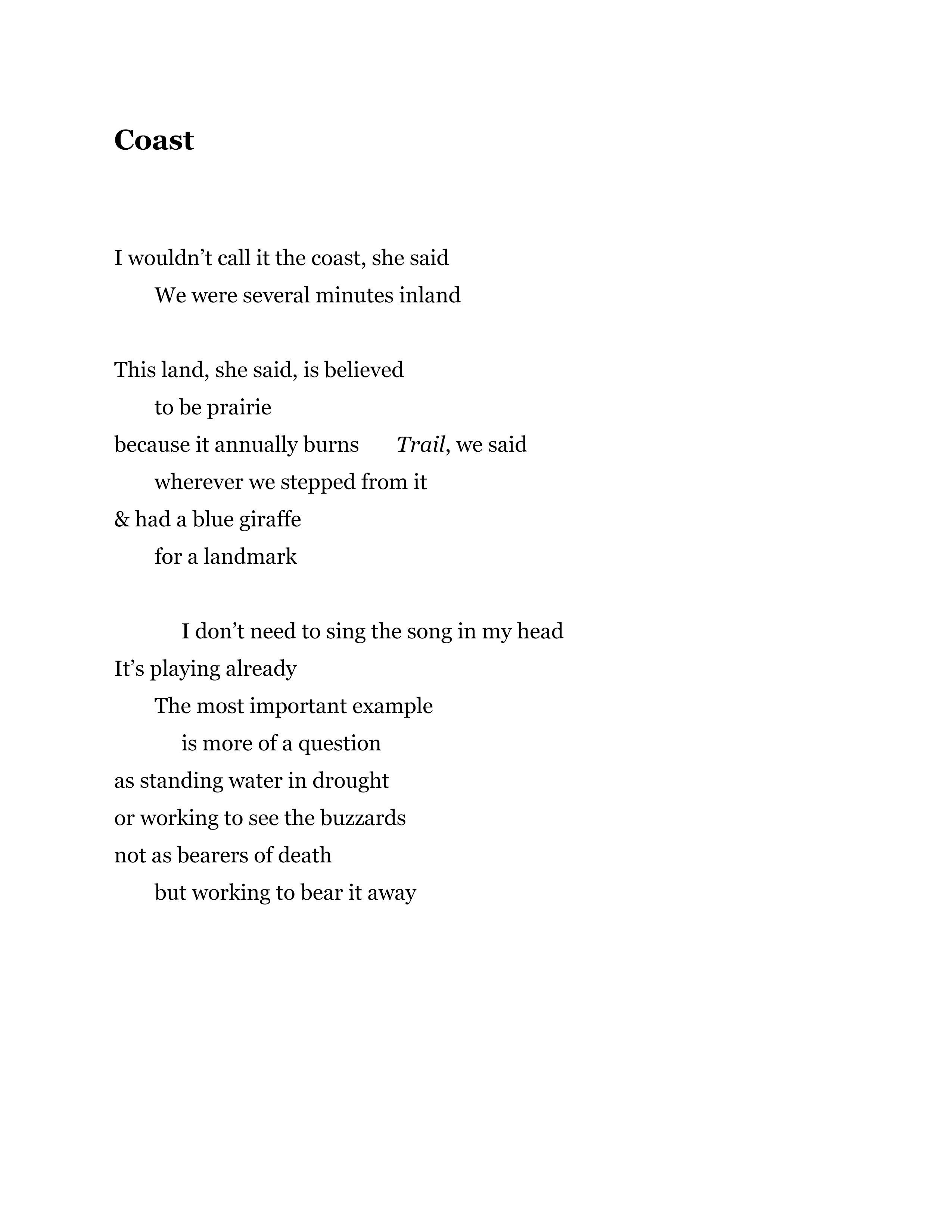
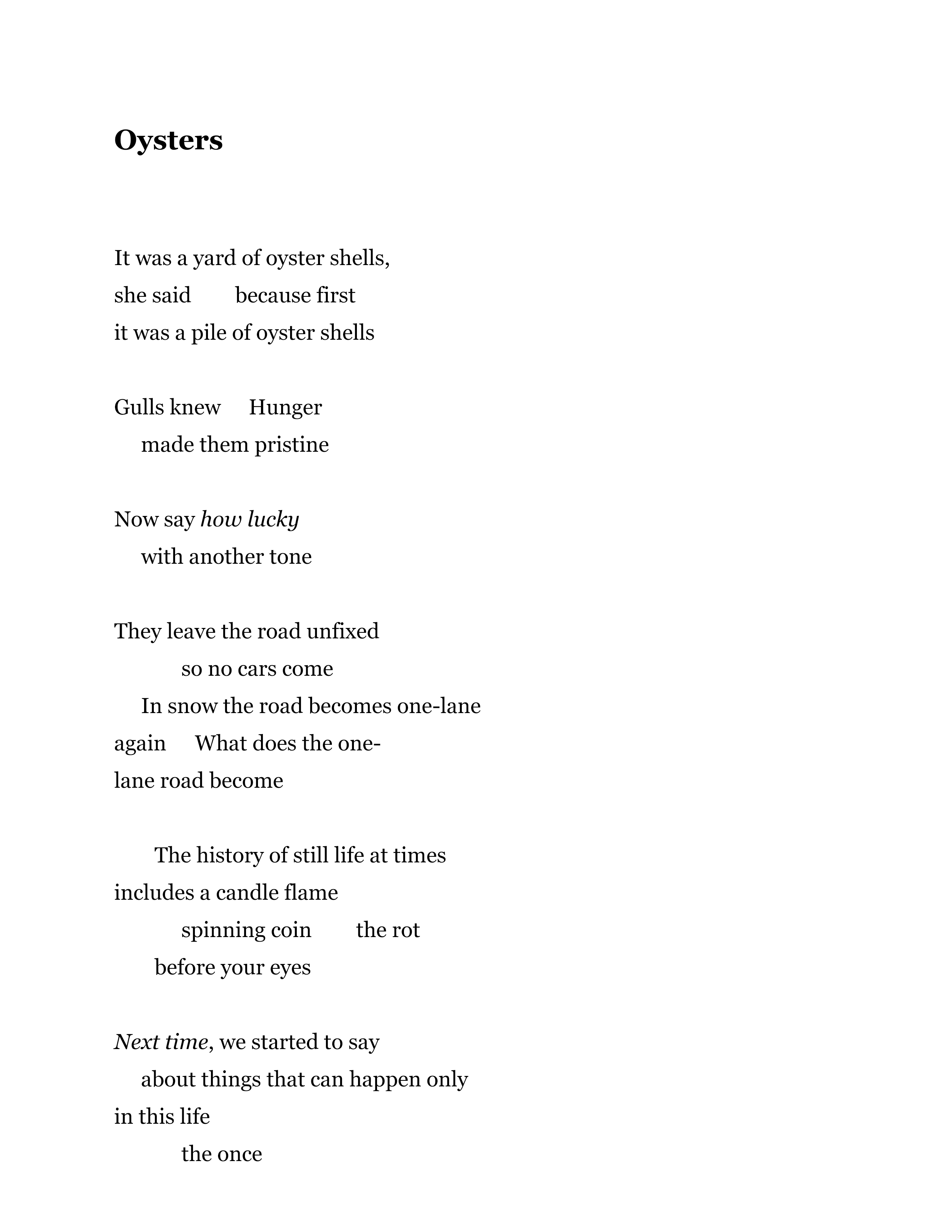
I read the poems in question on the highway to Kearney, Nebraska, where the sandhill cranes stop along their migrations. There are five of them. Poems, I mean, not cranes, which would currently be out of season. In one of them we’re asked what the one-lane road becomes. We talk “about things that can only happen / in this life / the once.” In other words, the trails are transforming again, or else disappearing completely. Here’s where you don’t go: no need to sing the song in your head. And another wrong turn: the buzzards aren’t harbingers after all, they’re just the cleanup crew.
Which is all to say I like these walking words, and I like the white space between them, too. The examples that turn out to be “more of a question.” I like the trails that don’t know how to stay trails, that you don’t know are shifting until you’re halfway down them. I like to change my own mind. Hell, I’m not even in Nebraska for the sandhill cranes, I’m just passing through. But I really like knowing they come here.