
3 poems by Kristie L. Williams
1 essay by Ellen Welcker, on the poems of Kristie L. Williams
On crochet-core, tree sex, ferality, and the Other
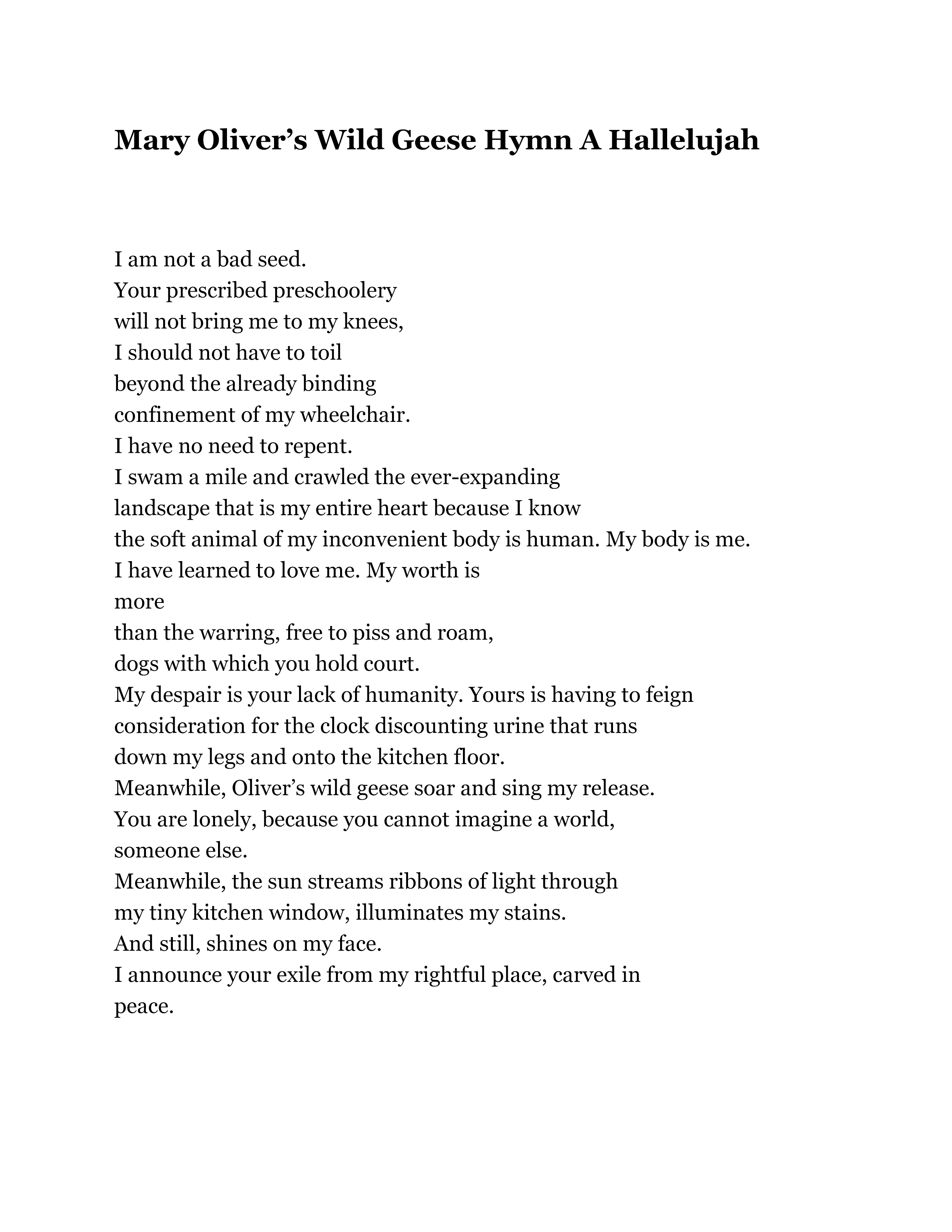
“Granny hobbies” are taking hold with the youths. Knitting—crocheting, needlepoint, etc.—does the twin work of occupying the hands while focusing the part of the mind prone to anxious spiraling. My heart goes out to the yarn-obsessed youths. Good for them for finding ways to calm their hyperextended nervous systems. For trying to find ways to hold on to their humanity. As an inhumane political system reaches for its limits, as AI mimics and strip-mines the arts, as corporations are granted more rights than living beings. As all of this is happening, a cacophony of terror and anxiety, amped to the max by the constant barrage of the medias social, I read “Mary Oliver’s Wild Geese Hymn A Hallelujah.”
A person wrote this. A poet. A human, who tethers me to them breath by breath with a rope of language. How witnessing another’s experience allows a reprieve from one’s own. And sometimes a recognition. Dare I say empathy. Though the speaker exiles me. Though the speaker implicates me. My “inability to imagine a world, someone else.”
One of the reasons why Oliver is so widely beloved is she invites us to be transformed by the mundane. The empathy room is as large and as accessible as the experience of watching wild geese. You don’t need to book a safari. You probably only need to look up. Something is happening. While looking, we are stilling. We are “knitting.” We are softing. Animaling. Oliver says this is enough. That being alive should be transformative, that it is. This poet knows all of this. This poet’s indictment of me is enjambed with Oliver’s open arms. This poet is calling me in.
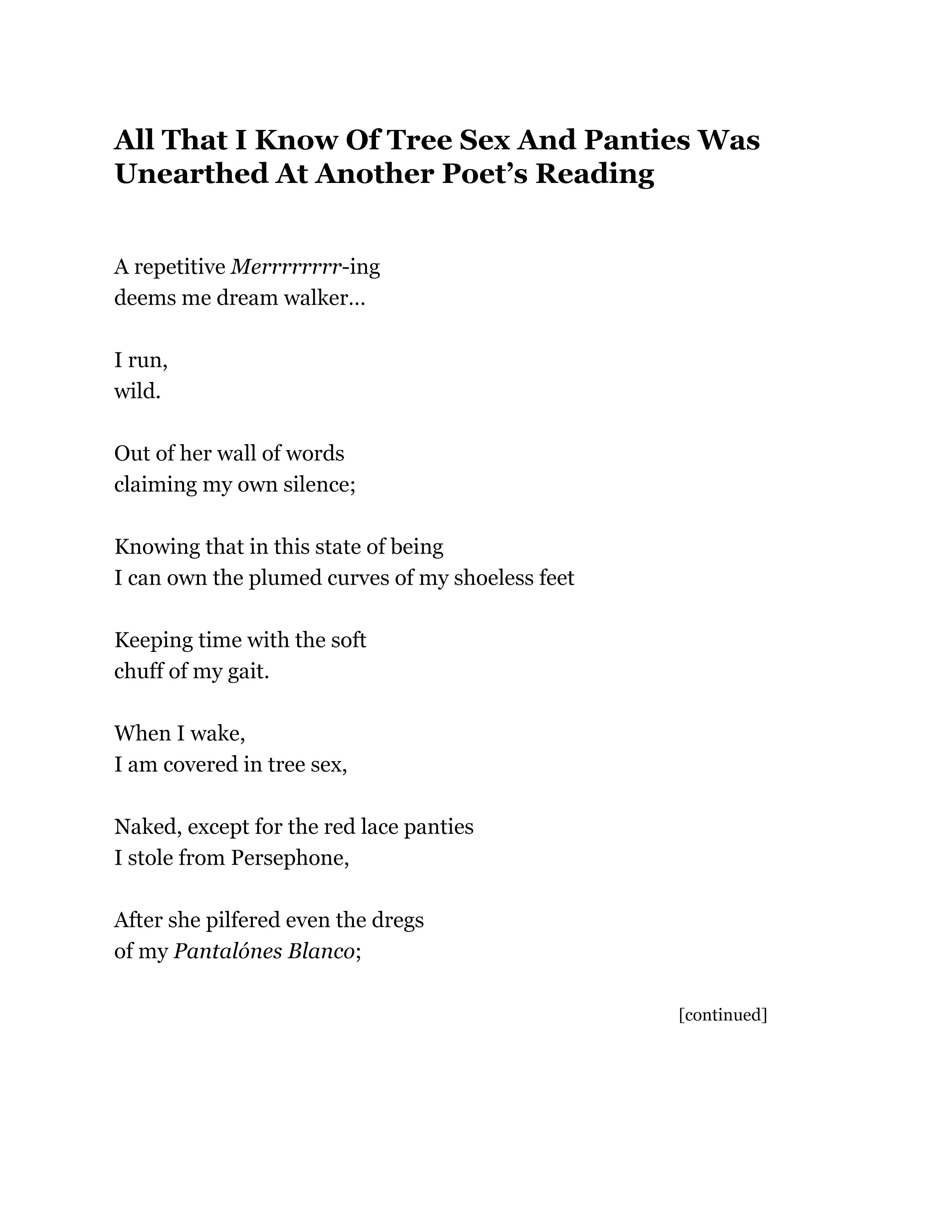
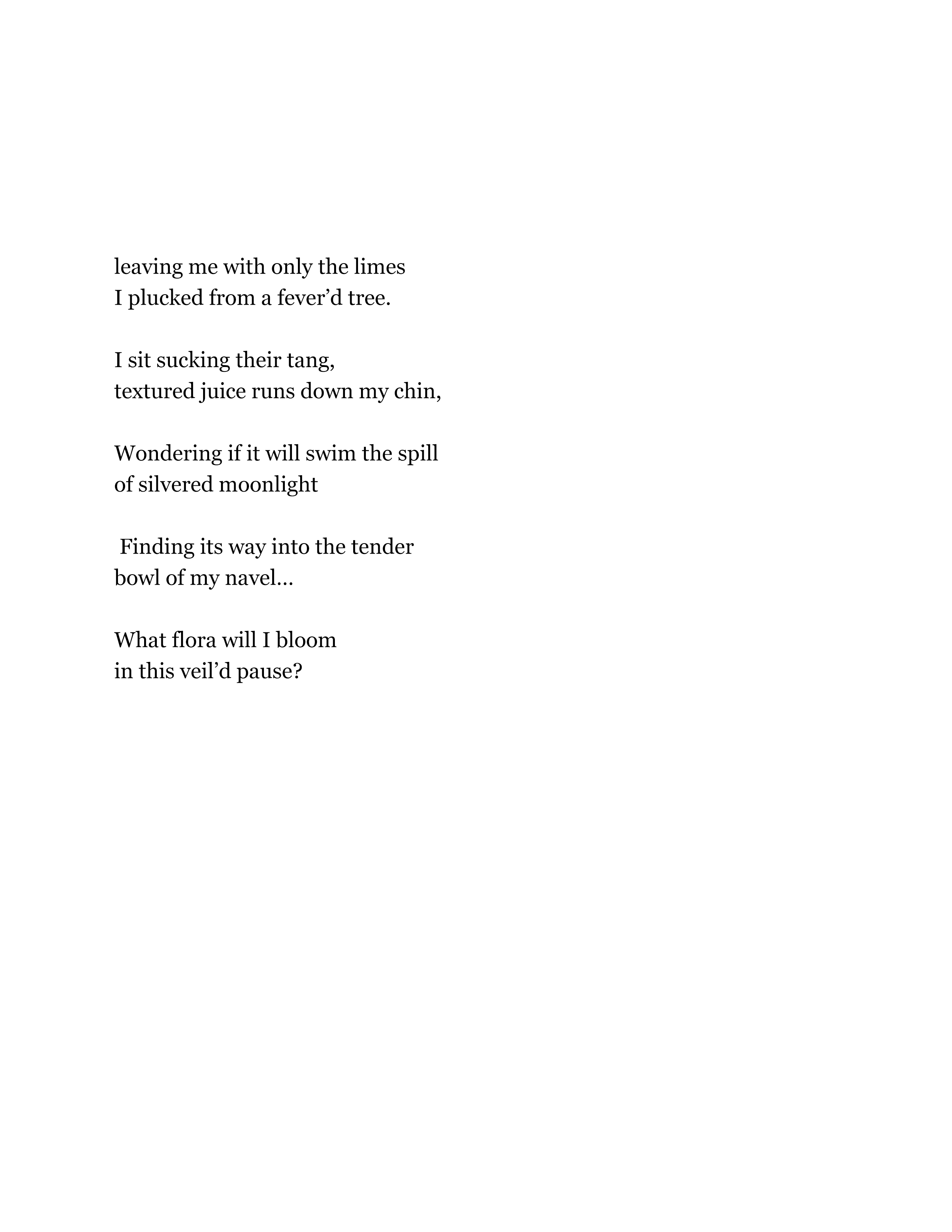
Google tree sex. Think about June, when the orchard that surrounds my house smells like old socks. Though let’s be honest: it smells like sperm. You can walk there, and above you in the canopy, a hum that is hundreds of thousands of bees. Is there an antidote to the misery of the internet? Yes. There are many, of course. One is the joy of (tree) sex. The poet gives me this gift in a January blizzard, -30 degrees with windchill.
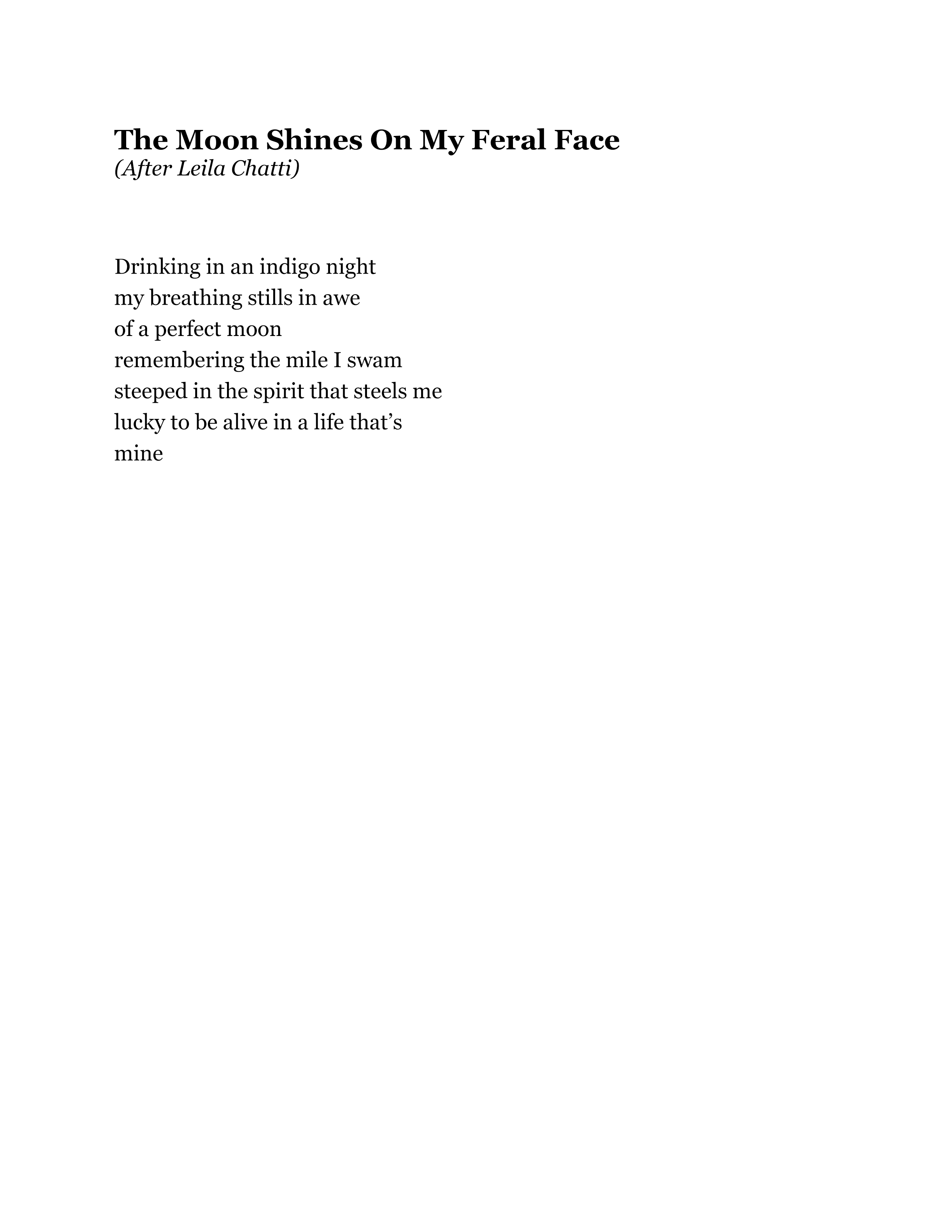
I stop writing to buy a linocut print from poet and artist Emily Stoddard that says, “hold on to your tenderness.” I am buying it now even though I have been looking at it for almost two months. I start to cry. I’m not doing well, but I want to be better. I’m thinking about feralness. I have always loved this word: “feral.” It sparks a light in me. I miss that light. Feral means “wild.” But what if it also means “tender.”