
4 poems by Joseph Chapman
1 essay by Zach Savich, on the poems of Joseph Chapman
Reorienting Accords
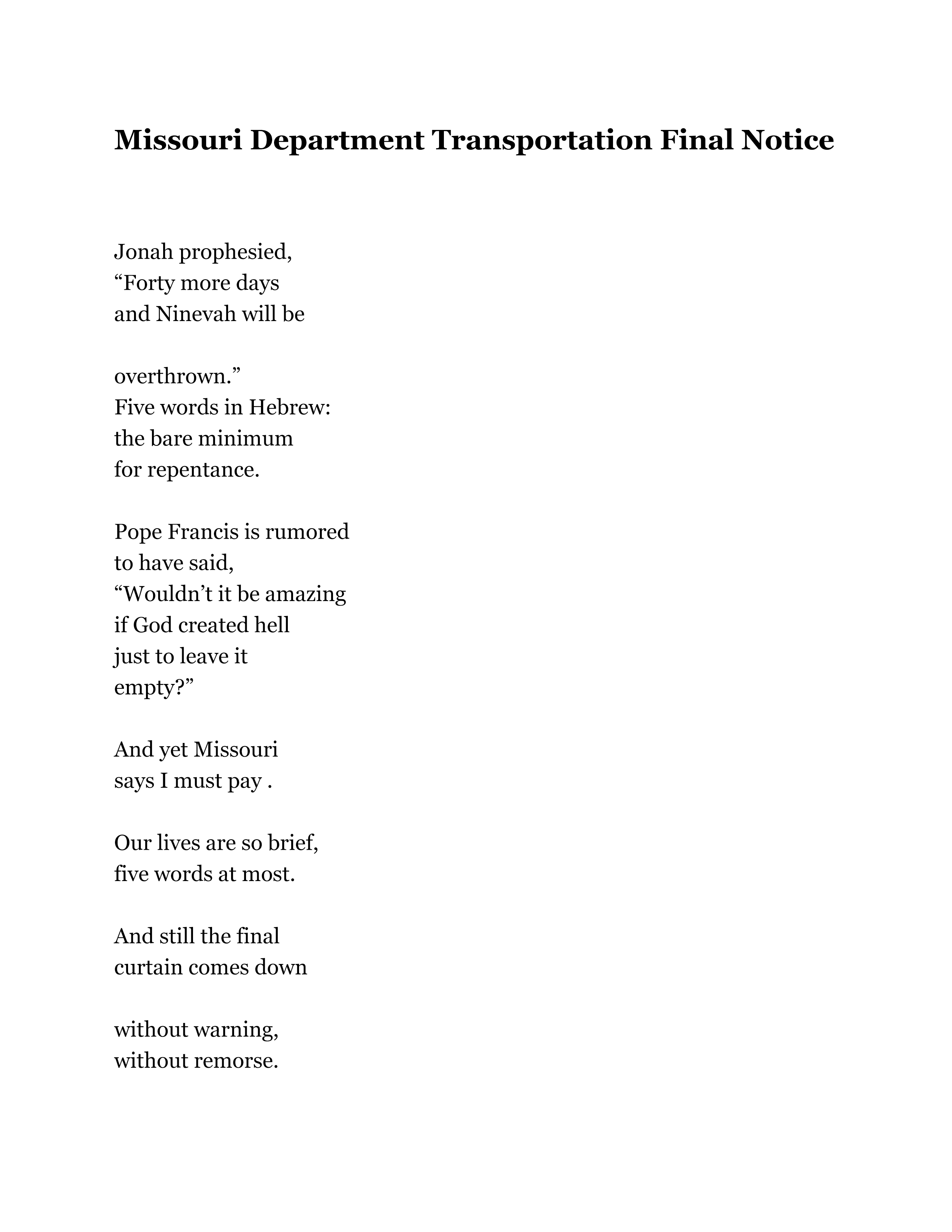
Pentecost is a time of tongues multiplying, as the epigraph of “Delete and Report Junk” reminds us (“All of them were filled with the Holy Spirit and began to speak in other languages”). But it’s no Babel: the many tongues speak in accord. These poems consider the reorienting accords that flow among the drags of fragmentation. We will explore how this happens through the relationship between titles and texts, understatement, and measured statement.
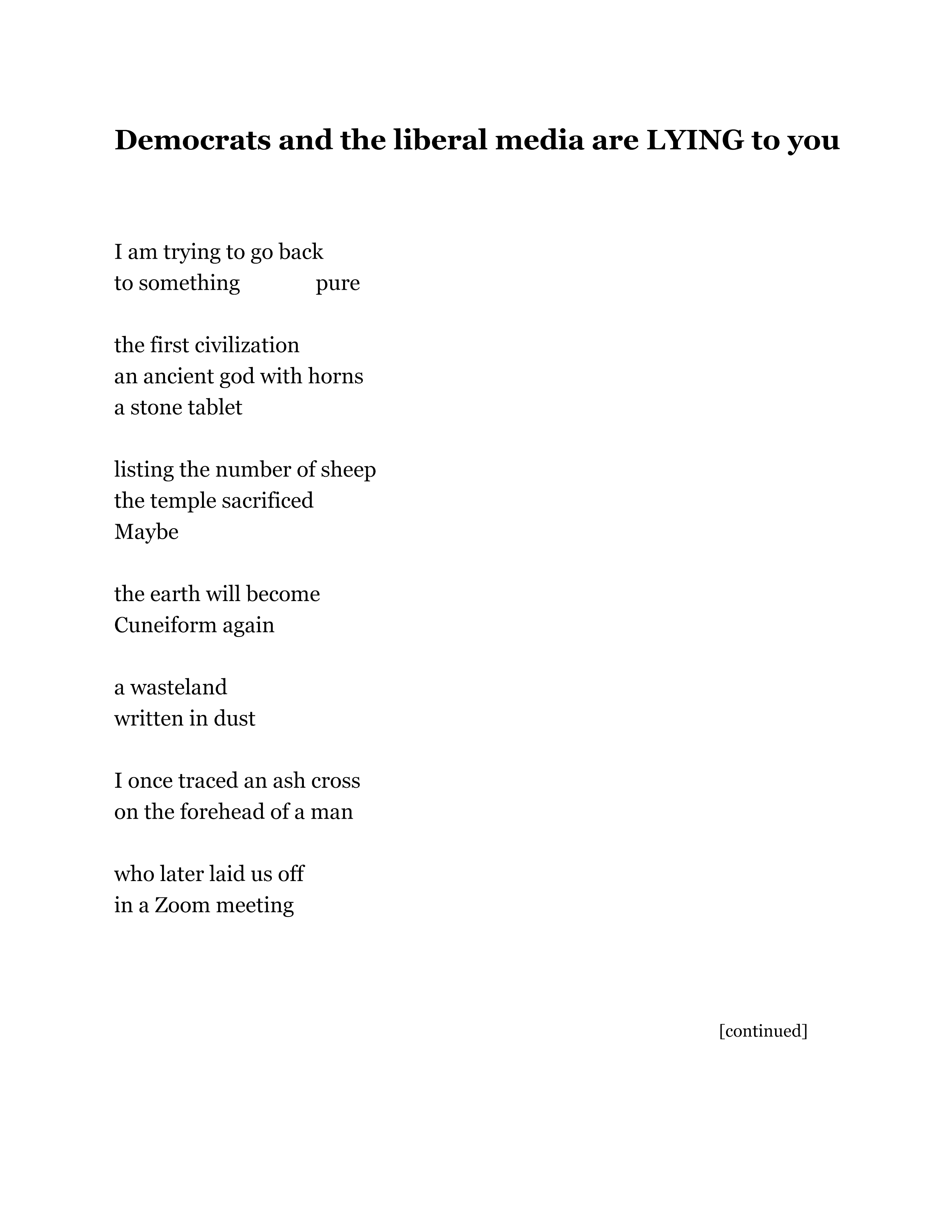
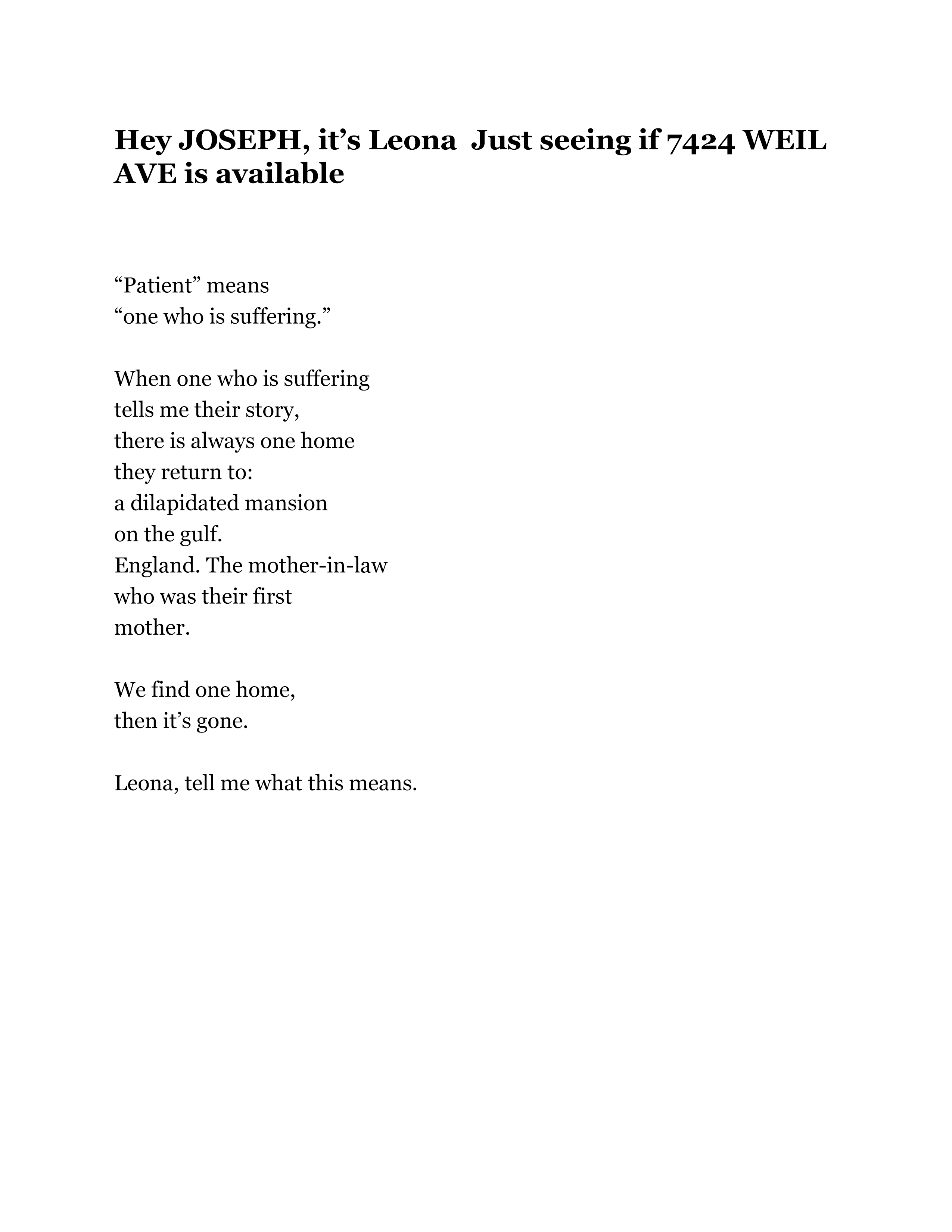
First, there’s the relationship between titles and text. The titles have the slap of spam and scams and digital bait (“Democrats and the liberal media are LYING to you”). But the poems billow in these pings. Consider the poem titled “Hey JOSEPH, it’s Leona Just seeing if 7424 WEIL AVE is available.” It builds toward a cryptic, specific principle: “We find one home, then it’s gone.” It then asks “Leona” what it all means. Leona doesn’t know. She’s probably just some bot. But talking back opens things up. It invites meaning, even where meaning is unlikely.
Second, there’s the use of understatement, which also states what’s under things, what’s underlying. “Democrats and the liberal media are lying to you” starts with a vast hope, to “go back / to something pure.” It presents a “tablet” that’s far from a digital device. It then moves between ritual and rightsizing and back again:
I once traced an ash cross
on the forehead of a man
who later laid us off
in a Zoom meeting
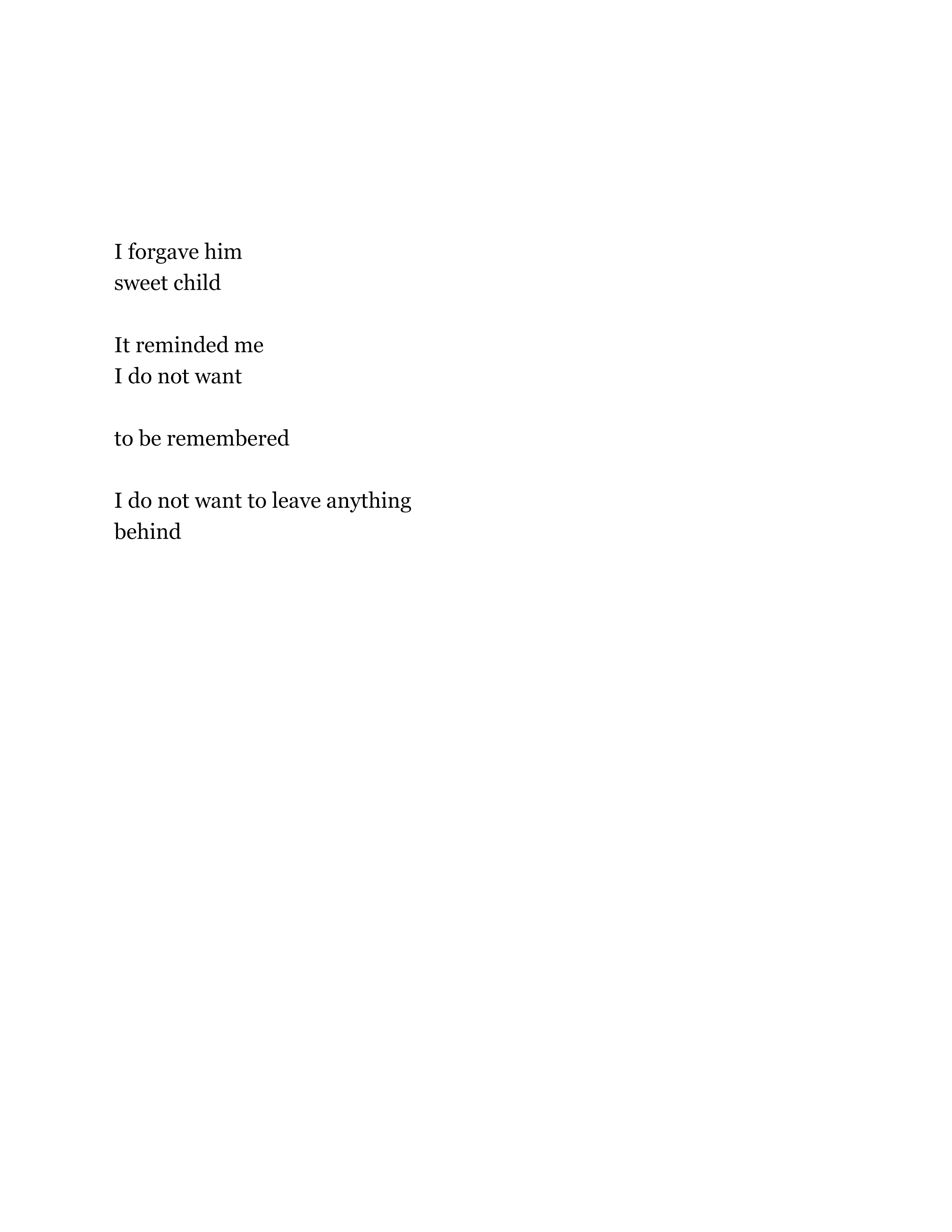
I forgave him
sweet child
Here is plain reportage, in layered phrases, leading to the tender singe of “sweet child.” The poem concludes, “I do not want to leave anything behind.” You can hear this phrase at least two ways—of preservation, of demolition. Understatement, in these poems, is proliferation in a single shell.
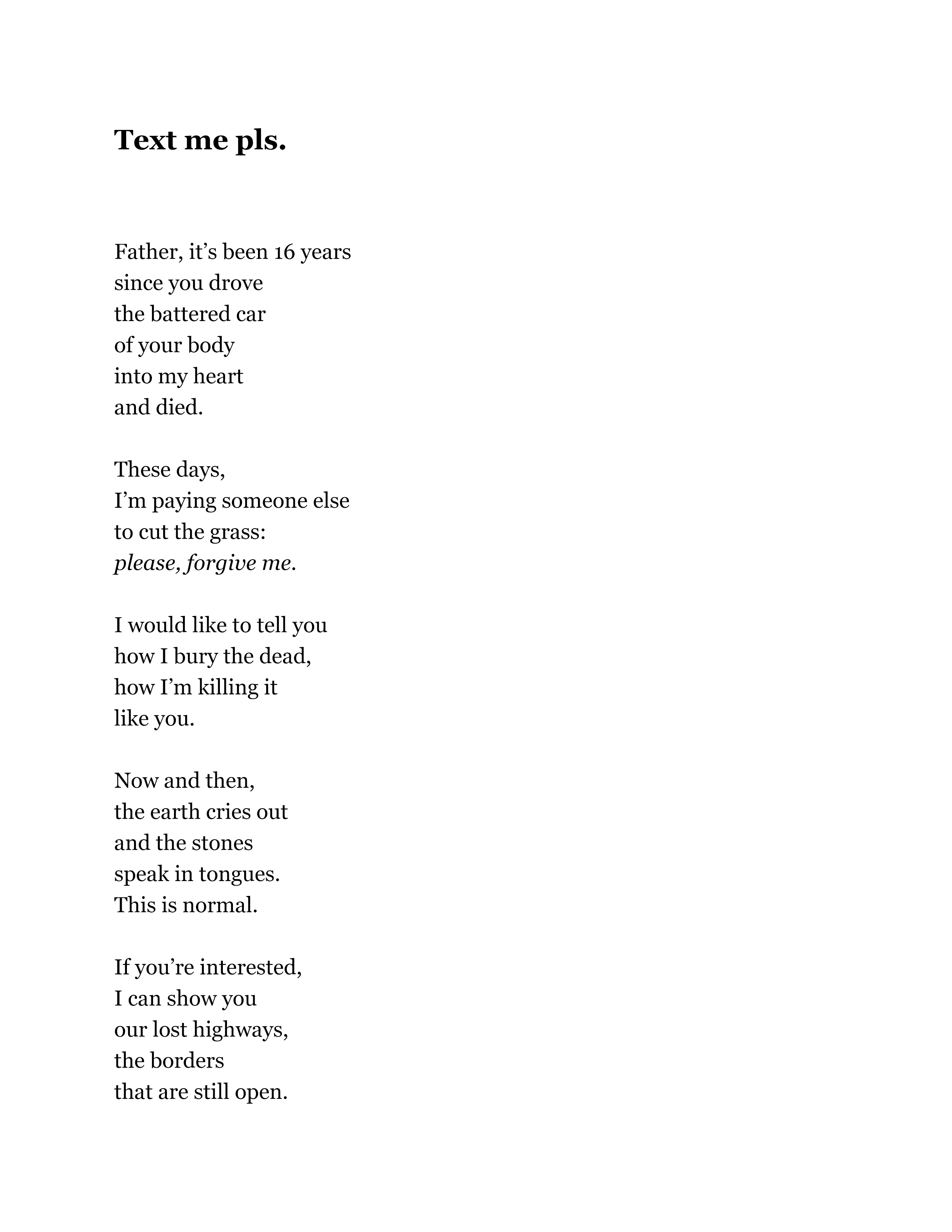
Third, the poems bring to mind how Pentecost marks the transition to Ordinary Time. “Ordinary” means counted, ordered. In addition to understatement, there are measured statements, which order us, however uneasily. These poems suggest that what’s ordinary may be restorative but not restrictive, of stark and marveling normalcy. “The earth cries out / and the stones / speak in tongues,” one poems tell us. It assures: “This is normal.”
In conclusion, the poems in “Delete and Report Junk” offer a vision of how meaning, memory, and mind flow among ruptures. This sensation of flow grows complex through the relationship between titles and texts, understatement, and measured statements that articulate further normalcies. A “tongue rested on each of them,” reads the passage from Acts 2:1-4 that runs through this series. The poems in “Delete and Report Junk” trace the weight and charge of that lapping, the heave of its wresting. They whisper into emergent fissures, toward “borders / that are still open.”